
We are a multidisciplinary group spanning clinical psychology, cognitive science and psychiatry. Our team is committed to improving our understanding of emotional conditions in young people so that we can better treat these conditions and champion for young people’s mental health and wellbeing.
Current Members
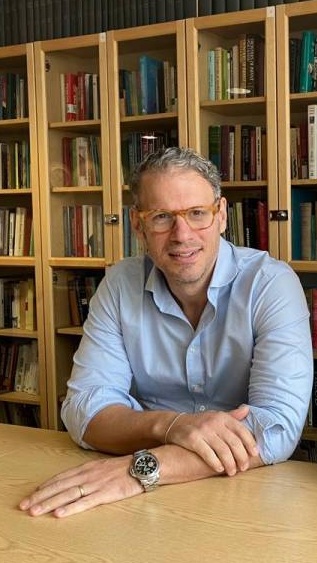
- Clinician & Neuroscientist
- Pro-Vice Provost of the Grand Challenges for Mental Health & Wellbeing at UCL
- Professor of Child & Adolescent Psychiatry at the University of Athens (NKUA)
- Research Interests: irritability, generation and maintenance of mood states, open science practices
Professor Argyris Stringaris
Professor of Child & Adolescent Psychiatry at UCL
Background & Interests
I was until 2022 Senior Investigator and Chief of the Section of Clinical and Computational Psychiatry at NIMH/NIH in the USA and before that a Senior Lecturer and a Wellcome Trust Fellow at the Institute of Psychiatry Psychology and Neuroscience, King’s College London. I trained in Child and Adolescent Psychiatry at the Maudsley Hospital.
In terms of basic research, my aim is to understand how affective phenomena (variably termed moods, emotions, feelings or affects) are generated and maintained. Two recent examples of this line of our work can be found here and here. Currently, we are funded by the Wellcome Trust to study surprises (prediction errors) as a mechanism of improvement in social anxiety.
In terms of clinical research, I study interventions that reduce the negative impact that affective phenomena, have on young people and families and possible interventions. For an example of work about suicidality please see here and for some work on interventions on irritability (a long-standing interest of mine), see here. I have two main research aims that I pursue using open science practices including data and code sharing.

- Professor of Young People’s Mental Health
- Honorary Consultant Clinical Psychologist
- Research Interests: obsessive-compulsive disorder (OCD), body dysmorphic disorder (BDD), transdiagnostic processes
Professor Georgina Krebs
Professor of Young People’s Mental Health
Honorary Consultant Clinical Psychologist
Background & Interests
I co-lead the AIM Lab and AIM Clinic with Professor Stringaris, and am also the Research Director of UCL’s University Clinic. My work focuses primarily on understanding the phenomenology, mechanisms, and treatment of emotional disorders in young people. To address these aims, I use diverse methodologies, including epidemiology, behavioural genetics, experimental approaches, and treatment trials. I am especially interested in obsessive-compulsive disorder (OCD) and body dysmorphic disorder (BDD), and am currently the Topic Advisor for the National Institute for Health and Care Excellence (NICE) guideline for OCD and BDD. I am also interested in transdiagnostic processes, and understanding how conditions such as OCD and BDD relate to other disorders. Our current research is funded by the Wellcome Trust, British Academy, and UCL’s Grand Challenge for Mental Health & Wellbeing.
Prior to joining UCL, I trained as a Clinical Psychologist at the Institute of Psychiatry, Psychology & Neuroscience (IoPPN), King’s College London (KCL). After this I worked for over 15 years in a National and Specialist Clinic for Young People with Obsessive-Compulsive and Related Disorders. Alongside my clinical work, I undertook a range of research including leading clinical trials of CBT. During this period, I was also awarded two fellowships and completed a PhD in behavioural genetics at the Social, Genetic and Developmental Psychiatry Centre of the IoPPN.

Researching body dysmorphic disorder and evaluating treatment approaches.
Dr Daniel Rautio
Postdoctoral Researcher
Background & Interests
I joined UCL in January 2025 as a postdoctoral researcher. My research has mainly focused on body dysmorphic disorder (BDD) and has involved epidemiology and treatment evaluations.
I am trained as a Clinical Psychologist and have worked more than 15 years in Specialist Child and Adolescent Mental Health Services.
My main interest is to better understand what treatments help young people best, and how to improve access to evidence-based treatment.

Investigating self-relevant processes in adolescence, such as negative self-concept and excessive self-focus, and considering how they might influence the outcomes of therapy for social anxiety.
Dr Madeleine Moses-Payne
Research Fellow
Background & Interests
During my PhD, I investigated how adolescents learn about themselves (what they’re like) and their preferences (what they like).
I am interested in how we can incorporate the perspectives of young people in all stages of scientific research, from the conceptualisation of an idea to the dissemination of the research findings.

Leading a nested substudy on the ethical dimensions of a ‘surprise’ intervention for depression and anxiety co-produced with the NeurOx Young People’s Advisory Group at Oxford University.
Dr Lucienne Spencer
Postdoctoral Researcher
Background & Interests
I am a Postdoctoral Researcher in Mental Health Ethics located within the Neuroscience, Ethics and Society (NEUROSEC) Team in the Department of Psychiatry, University of Oxford, and collaborating with the AIM Lab and Prof Ilina Singh.
My background is in philosophy, and my research interests include phenomenology, epistemic injustice, and the philosophy of psychiatry.

Focusing on how approach-supporting behaviours such as emotional support may work to reduce the safety-seeking behaviour of excessive reassurance-seeking in obsessive-compulsive disorder (OCD).
Dr Chiara Causier
Clinical Research Fellow
Background & Interests
I joined the AIM lab as a Clinical Research Fellow in October 2023 after completing my clinical psychology training at the University of Oxford. I am especially interested in symptom-specific approaches and improving the accessibility and acceptability of psychological treatments for mental health difficulties.
I am undertaking a PhD in this area, supervised by Dr Georgina Krebs. My second supervisor is Professor Roz Shafran (Chair in Translational Psychology, UCL), and Professor Paul Salkovskis (Professor of Clinical Psychology, University of Oxford) is an external supervisor.

Focusing on the detection and diagnosis of body dysmorphic disorder (BDD), the treatment of BDD, and mechanisms maintaining symptoms.
Dr Elizabeth Hogg
Clinical Research Fellow
Background & Interests
In my Clinical Research Fellow role in the AIM lab, I am undertaking a PhD, supervised by Dr Georgina Krebs and Prof Argyris Stringaris, which focuses on the detection and diagnosis of body dysmorphic disorder (BDD), the treatment of BDD, and mechanisms maintaining symptoms.
Alongside my research, I currently provide assessment and treatment of BDD and related anxiety and mood concerns in the AIM Clinic.
Before joining the lab, I completed my Doctorate in Clinical Psychology at the Institute of Psychiatry, Psychology & Neuroscience (IoPPN), King’s College London (KCL).
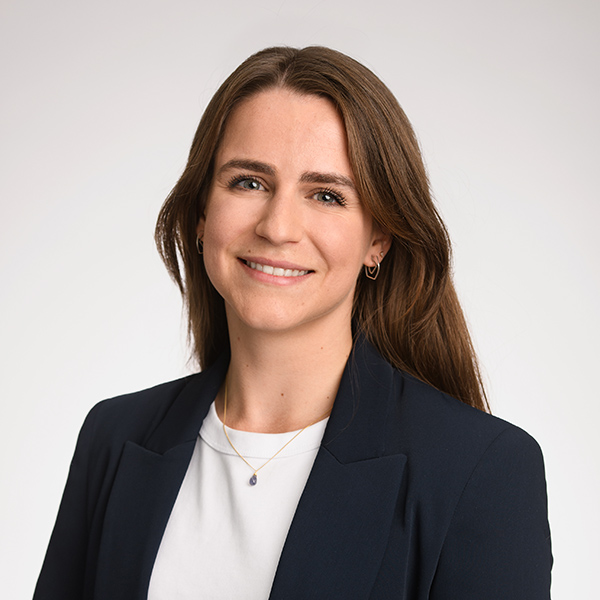
Dr Elisavet Palaiologou
Postdoctoral Research Fellow
Background & Interests
I joined the AIM Lab in December 2025. My current research uses linked electronic healthcare records to investigate patterns of change over time in depression and anxiety symptoms among individuals referred to the national Talking Therapies for anxiety and depression programme. I am also exploring changes over time in the functional and acute impairment associated with anxiety and depressive symptoms, as well as in progression through the care pathway.
Prior to joining UCL, I completed my PhD in January 2025 and later worked as a postdoctoral researcher at the Social, Genetic and Developmental Psychiatry Centre, King’s College London. My previous research examined the developmental trajectories of anxiety and conduct problems from childhood to emerging adulthood, with a focus on understanding their genetic and early-life risk factors and later life and clinical outcomes. I also used prediction modelling to examine whether these factors could help identify individuals at risk of poorer trajectories.

Computational modelling of social surprises and mood.
Elena Bagdades
PhD Student & RA
Background & Interests
Before joining the lab, I completed an MRes in Developmental Neuroscience and Psychopathology at UCL and Yale University, where I studied the mechanisms of social learning in borderline personality disorder (BPD) and the effects of childhood trauma.
I am particularly interested in computational models of mental health and how these can inform clinical practice.
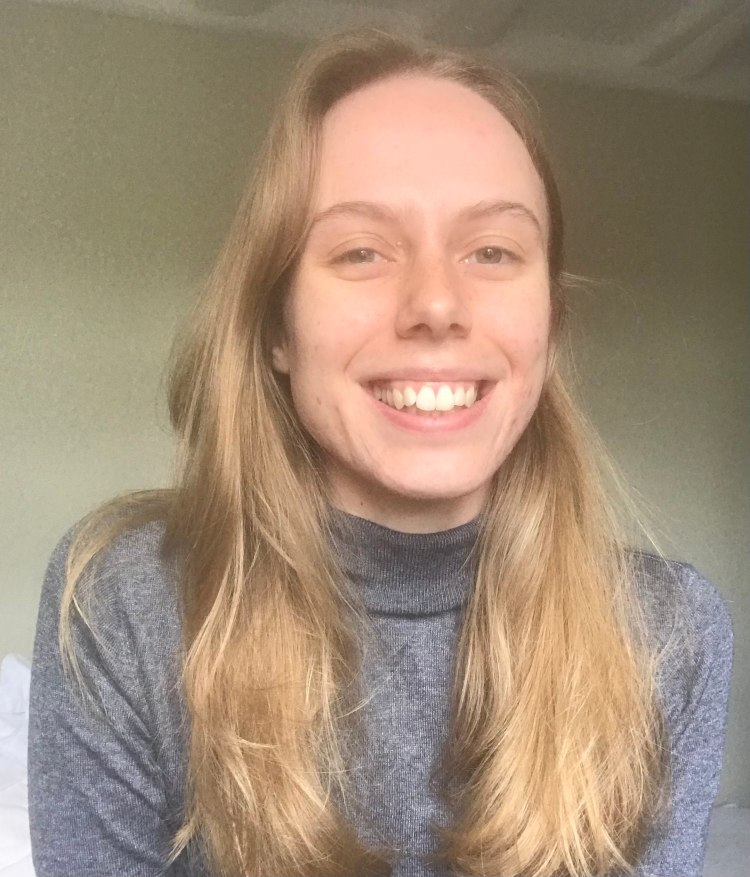
Researching sex differences in irritability in young people.
Jessica Norman
PhD Student & RA
Background & Interests
I am working on a PhD looking at potential explanations for gender differences in irritability during adolescence. I am interested in social determinants of mental health and in the function of emotion.
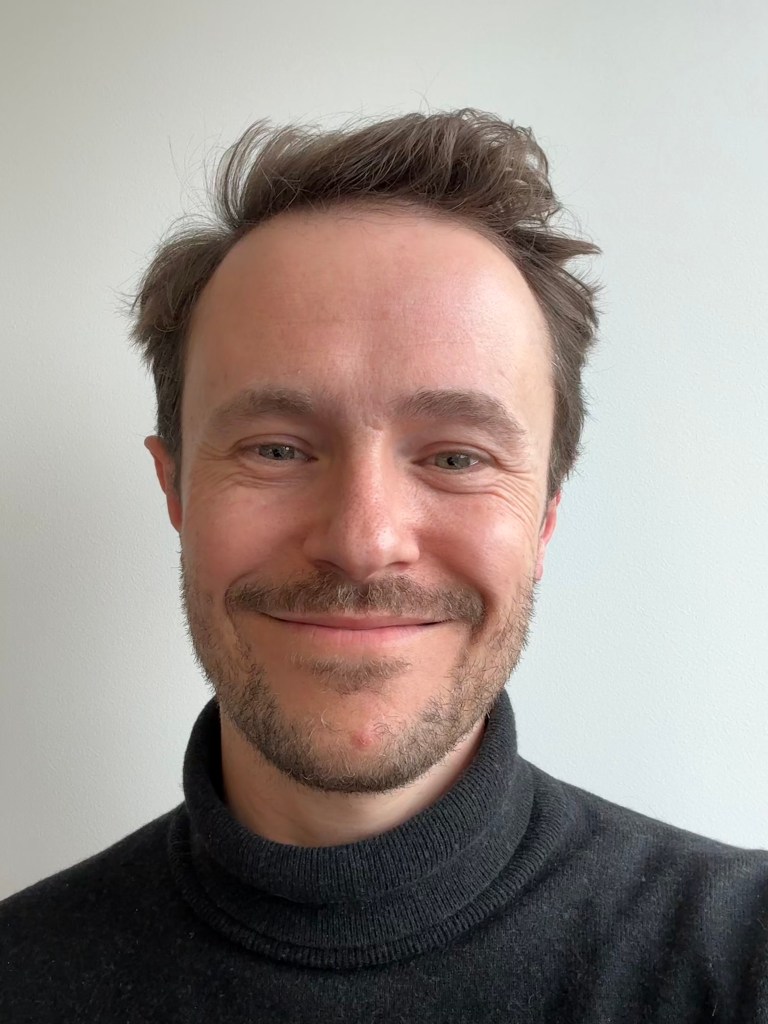
Dr Tom Osborn
Senior Research Fellow
Background & Interests
I am a Senior Research Fellow in the AIM Lab. My research focuses on understanding how social contexts influence well-being, functioning and access to care among young adults, and how policy and practice can better support this population.
I currently work with Professor Georgina Krebs, Dr Liz Hogg and Dr Thomas Kador (UCL Arts and Sciences) on a Grand Challenge funded project co-designing and evaluating a digital triage and early intervention for subclinical BDD symptoms in university students.

The effects of hunger on emotions and cognition.
Miranda Copps
PhD Student
Background & Interests
I am a PhD student on the UCL-Yale doctoral training programme in Developmental Neuroscience and Mental Health, working with Professors Argyris Stringaris and Essi Viding.
I am interested in the mental health of children and young people.
My PhD work is about the effect that bodily states, in particular hunger, can have on emotion and cognition. I am developing a questionnaire for use in adults and young people to measure experiences of hunger-related mood changes. In addition, I am designing and conducting experimental psychology and physiological studies to test these associations.

Working on the surprise project, looking at the role of social surprise in CBT.
Johannes Keil
Research Assistant
Background & Interests
I have studied psychology, with a particular interest for emotions and why (or why not) people prefer certain emotional experiences. In the past, I have used a range of statistical and psychometric techniques to analyse choice and preferences.

Researching the role of social surprise in CBT.
Luna Lovrić
Research Assistant
Background & Interests
I have a background in psychology and cognitive neuroscience, with an interest in processes and mechanisms underlying various forms of dysfunction.
My previous research examined the impact of different brain lesions on rhythmic processing using EEG and fMRI analysis.

Researching the role of social surprise in CBT.
Tosia (Antonina) Przyborowska
Research Assistant
Background & Interests
I have background in psychology and neuroscience and I’m interested in the cognitive mechanisms, including self-processing, that underlie mental disorder and how these can be shaped. I’m also interested in treatment outcomes within mental health services.
My previous work has explored the interplay between metacognition and memory, as well as examined naturalistic fMRI data to study the encoding and integration of complex narratives.
Previous members

Dr Isobel Ridler
Postdoctoral Researcher

Paul Moreau
Masters Student

Raphaëlle Delpech
Research Assistant

Dr Joanna Carter
Clinical Psychologist

Jamilah Silver
Graduate Student

Dr Marjan Biria
Research Fellow

Zoe Delaney
Clinical Psychology Trainee

Laura Pattison
Clinical Psychology Trainee

Charlotte Burman
Research Assistant
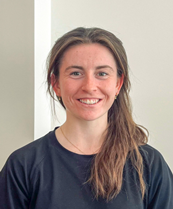
Lucy Blacker
Honorary Assistant Psychologist

Lily Orme
Clinical Psychology Trainee

Emma Thurgood
Clinical Psychology Trainee

Dr Michelle Eskinazi
Clinical Academic Fellow
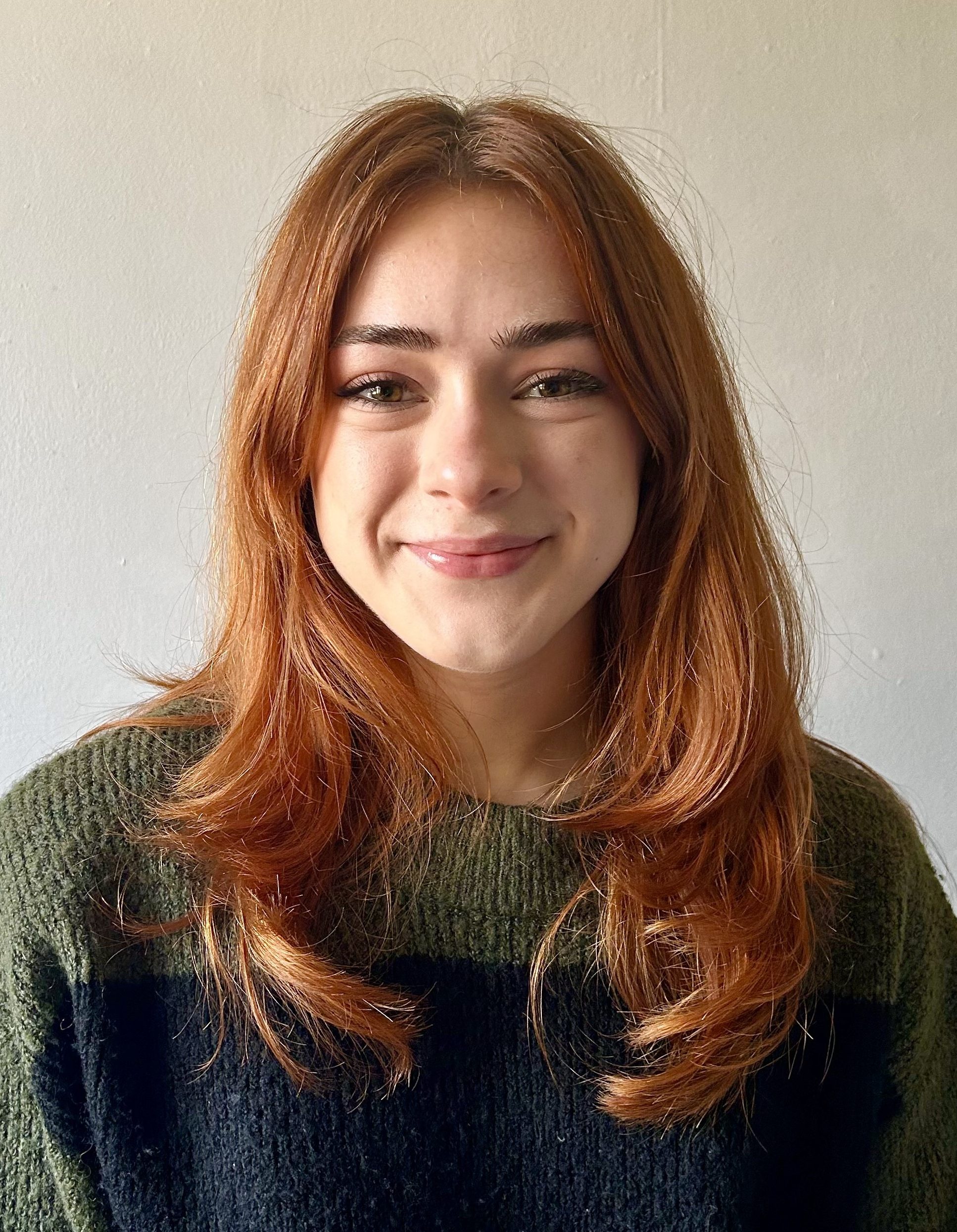
Naomi Tromans
Research Assistant

